Supply Chain Insights
Its all about absorbing the volumes without losing rhythm. Real preparedness is when machines, people and processes make peak volumes feel like business as usual.

Taslima Khan
5 min read
Key insights:
Capacity tells you what a network can handle. Stress testing tells you whether it actually can.
The goal of stress testing is to make the festive surge feel familiar before it actually arrives.
At scale, readiness is built as much through people and small operational details as through infrastructure and machines.
—-
As preparations for the festive surge move into the final stages at Delhivery, there is perhaps no better place to test that readiness than the Tauru Mega Gateway, in Haryana’s Nuh district- Delhivery’s first mega gateway, launched in 2021 and one of its biggest facilities.
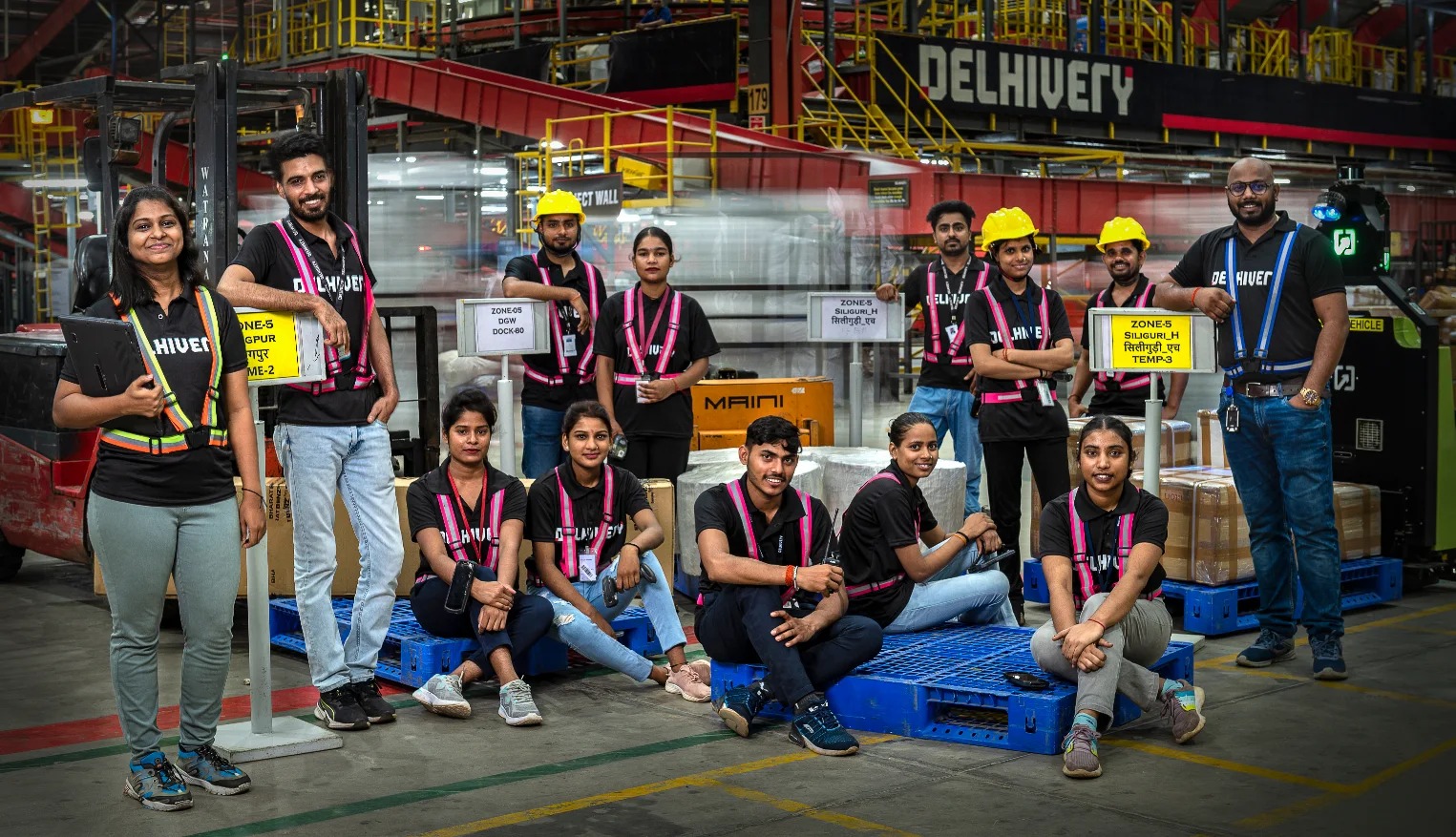
Amidst the bee-like hum of huge sorters and ground equipment, Manjot Singh Dhillion, Senior Director, Gateway Operations, sits in his office, right up a staircase in the centre of the facility. Dhillon, who is facing the fifth festive season peak in his career, is responsible for making sure all the pieces work together when the festive surge arrives - people, machines, trucks and equipment. For him, preparing people is as important as machines.
“There has to be a sheer sense of excitement. People don't have to be afraid of the volumes that are coming, but be excited about breaking history, making records for their own selves.” He adds, “Every alternate day of the week, I have my evening snacks with the ground team members and brief them on the kind of volumes that the facility is going to handle.”
Lorem ipsum dolor sit amet, consectetur adipiscing elit, sed do eiusmod tempor incididunt ut labore et dolore magna aliqua. Ut enim ad minim veniam, quis nostrud exercitation ullamco"
There has to be a sheer sense of excitement. People don't have to be afraid of the volumes that are coming, but be excited about breaking history, making records for their own selves.

— Manjot Singh Dhillon, Senior Director, Gateway Operations, Delhivery
Spread across 5.5 lakh square feet, the Tauru Mega Gateway is a cornerstone of Delhivery’s dynamic mesh network. The facility is connected to 124 centres through around 244 daily connections, linking it to other mega gateways, hubs and smaller stations across the country.
The facility has two major automation setups. The processing centre and the bag sorter. For more than 30 days, downtime has deliberately been provided to maintenance teams at the facility so that every component of the processing centre and bag sorter can be inspected, repaired or replaced if required. The work ranges from replacing bearings and diverter wheels to repairing or replacing entire motors.
At the same time, manpower is being planned around the expected surge. Employees are being cross-trained across inbound, floor and outbound operations. Additional manpower is being sourced through vendor partners, while staffing levels across critical areas are being reviewed. Vehicle planning is coordinated with the network engineering team to ensure that capacity is available when volumes begin to rise.
When Capacity Meets Pressure: The Role of Stress Testing
Delhivery’s preparation focuses on ensuring that its people, machines and processes can work together seamlessly when volumes rise. Therefore, to prepare for the steep volume increase, the team has been conducting rigorous "stress tests" since September 17th, targeting a total of 60 tests to evaluate both the performance of machines and team responsiveness. These simulations involve artificially creating peak-load conditions to identify potential machine bottlenecks or staffing gaps.
The ramp up in festive volumes is steep. The repeated stress tests are designed to make it a familiar experience for the entire team including the ground operations team. Rather than running at a steady baseline (e.g., 8,000 shipments per hour), the team artificially holds inbound processing for 1 to 2 hours to slow volume down to around 4,000 per hour. In the third hour, inbound is run at full-fledged peak rates (12,000–13,000+ shipments per hour) to simulate peak stress conditions on the system and staff.
If shipments begin arriving faster than teams can process them, sorting errors, congestion and shipment mixing can quickly build up and slow down the entire facility. So, the more often teams experience a sudden increase in volume, the more familiar they become with what it looks like, where pressure builds and how manpower needs to move.
Observers are stationed across key facility locations (inbound docks, bag sorters, and zone belts) to identify choking points along conveyor turns, mis-sorts, lane speeds, and rejection percentages. All issues are logged in a central tracker to establish specific action plans prior to the actual peak week.
Being Ready: When Small Things are Big
For Manjot Singh Dhillon and his team, the definition of ‘Being Ready’ is simple. “When stress tests feel like business as usual, that’s the day we will be confident that we are ready for the sale season,” he says. However, getting to that state involves months of meticulous planning and execution.
Lorem ipsum dolor sit amet, consectetur adipiscing elit, sed do eiusmod tempor incididunt ut labore et dolore magna aliqua. Ut enim ad minim veniam, quis nostrud exercitation ullamco"
When stress tests feel like business as usual, that's the day we will be confident that we are ready for the sale season.
— Manjot Singh Dhillon, Senior Director, Gateway Operations, Delhivery
As the final week of preparation approaches, daily readiness reviews continue through detailed trackers and stand-up meetings. When it comes to handling record volumes, any big thing such as a machine breaking down, or even minor lapses such as mishandling of equipment can disrupt operations. For instance, consider handheld devices or BOPTs(Battery Operated Pallet Trucks) which need to be submitted by workers towards the end of their shift. If the BOPT operators did not submit them on time, the next shift will face a lot of issues since it takes an entire shift to charge them.
Operational risks during peak include resource shortages, absenteeism due to upcoming festivals like Navratri, vehicle delays, and floor congestion leading to mixed shipments. To mitigate these issues, central CCTV monitoring with walkie-talkie communication is set up for shift managers to address disruptions immediately. Ground teams are engaged regularly to build enthusiasm, and a daily 6 p.m. standup meeting tracks Diwali readiness.
For Dhillon, readiness ultimately comes down to how people respond when the pressure arrives. That is why he keeps returning to the ground teams, talking to them about the volumes ahead and trying to replace apprehension with excitement. The machines can be tested, processes can be rehearsed and capacity can be added. The final test is whether the people running the system can make a surge feel routine.
These are the popular topics you might want to check out
Latest blog posts
View all blogs
Supply Chain Insights
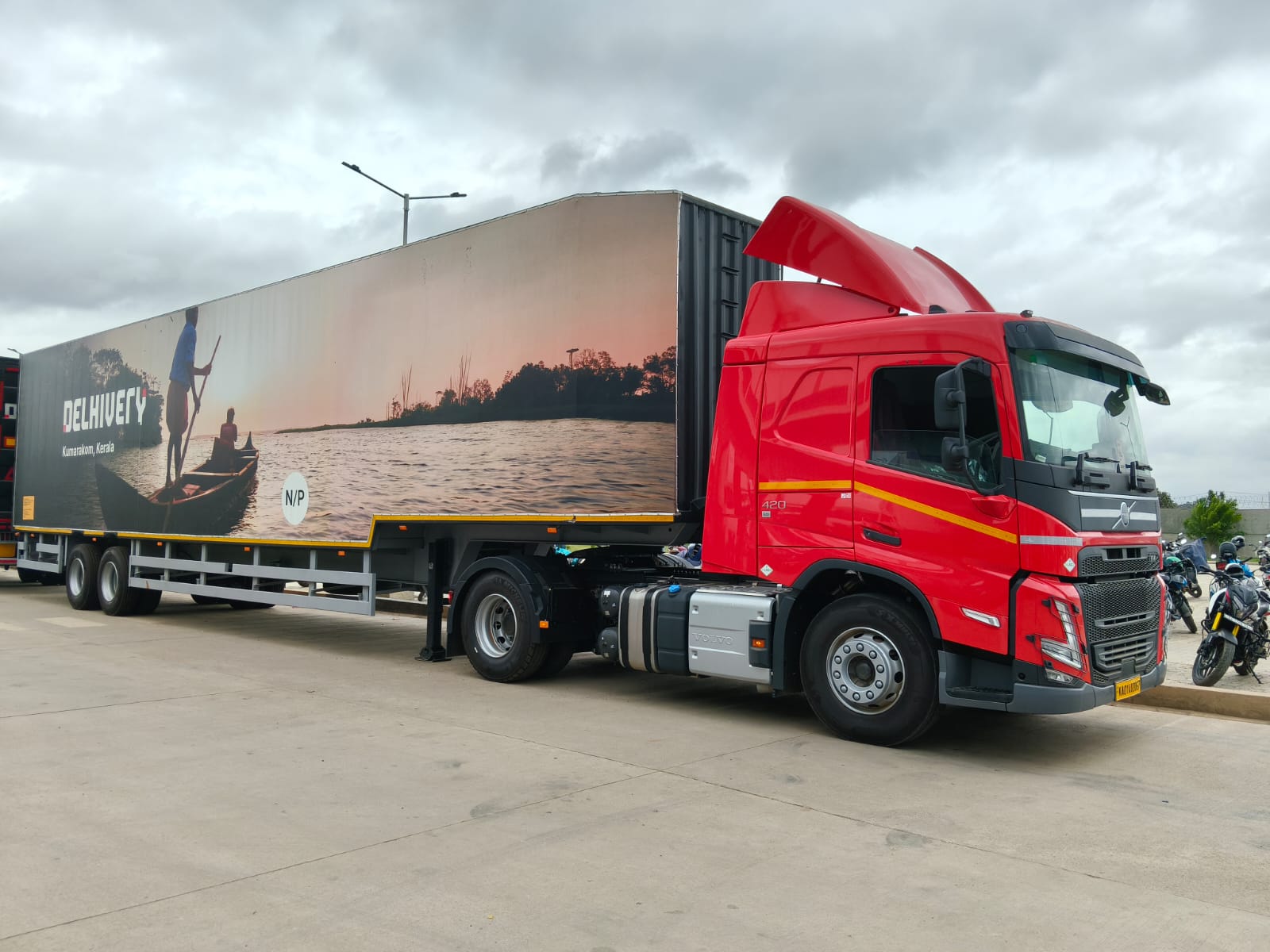
Power-Only Trucking: A Smarter Model for Long-Haul Freight
Smarter operating models can potentially make long-haul trucking with bigger trucks more efficient. Can Power-only trucking be a game-changer?
Taslima Khan
Engineering & Technology
Series: Finding India (Part I of II)
How a 15-member engineering team spent a decade using data generated by millions of deliveries and built a mapping platform for logistics.

Delhivery Engineering

Engineering & Technology
Series: Finding India (Part II of II)
How engineers taught machines to understand India’s complex addresses, transforming years of delivery data into a mapping intelligence platform built for logistics.
Delhivery Engineering
Ship with the largest integrated logistics company
Create your business account now
SERVICES
Delhivery One
Explore Now
Information Security Policy
Delhivery is committed to safeguarding the confidentiality, integrity and availability of all physical and electronic information assets of the organization. We ensure that the regulatory, operational and contractual requirements are fulfilled.
Disclaimer
Operational metrics listed are as of August 04, 2023