Shipping
Learn the processes, paperwork and logistics discipline required for warehouse deliveries.

Delhivery Research
5 min read

Key takeaways:
Moving goods to a warehouse is only half the job. The delivery can only be completed if a pre-booked unloading slot is available.
Simple mistakes such as incorrect PO numbers or non-compliant carton labels are among the biggest reasons consignments are delayed or rejected.
Missing slots can lead to extra transport costs, delayed Goods Receipt Notes (GRNs), slower payments, and even cancelled purchase orders.
Imagine a truck arriving at a warehouse with goods to deliver. If it does not have a pre-booked unloading slot, the warehouse usually will not unload it immediately. The truck may have to wait for hours, or even return another day. While the goods sit on the vehicle, the order remains undelivered and the buyer has to wait longer.
This happens because large warehouses, marketplace fulfilment centres and retail distribution hubs can handle only a limited number of trucks at a time. To avoid congestion, they schedule arrivals throughout the day. For businesses supplying these organisations, securing a delivery appointment is just as important as moving the goods themselves. Without it, even a truck that arrives on time may not be able to complete the delivery.
What an Appointment Actually Is
An appointment is a booked window at a specific dock, against a specific purchase order, for a specific vehicle. It commits three things on the receiver's side: a bay, a team to unload, and a slot in the day's inward plan. It commits three things on yours: the goods, the documents, and a vehicle that arrives inside the window.
Booking usually asks for the PO number, the invoice number and value, the number of cartons and pallets, the total weight, and the vehicle type. Some receivers also want an advance shipping notice with carton-level contents before they will confirm.
The window is narrower than most first-time suppliers expect. Arriving three hours early is not helpful; the bay is allocated to someone else. Arriving after the window closes usually means rescheduling, and the next available slot may be days out, particularly in the weeks before a festive period when everyone is inbounding at once.
On DelhiveryOne, appointment scheduling and management sit alongside the B2B cargo order itself, so the slot, the shipments and the documents for that consignment are held together rather than living in one person's inbox.
Preparing a Consignment to Clear Gate Check First Time
Gate check is a document and count verification before the vehicle is allowed in. It is quick when the paperwork agrees with itself and slow when it does not.
Have these ready, matching each other exactly:
● Purchase order number, quoted on the invoice and on the appointment
● Tax invoice, with goods description, HSN, quantity, unit and value
● E-way bill, mandatory where invoice value exceeds Rs. 50,000, generated from the final invoice with transport details complete
● Lorry receipt, with the 9-digit LRN for each shipment in the consignment
● Carton labels to the buyer's specification, usually PO number, SKU code, quantity per carton, carton number in the series, and batch or expiry where applicable
The three mismatches that cause the most rejections are simple: quantity on the invoice that does not match the physical count, a PO number that has expired or been partially received already, and carton labels that do not carry the buyer's SKU code. Check all three before the vehicle loads, not at the gate.
Where the receiver has a shelf-life norm, check it. Consignments of food, beauty and wellness goods are commonly refused if the remaining shelf life at receipt falls below the buyer's threshold, and that refusal is at your cost.
What a Missed Slot Costs
Take a consignment of 300 cartons against a PO worth Rs. 4,00,000. The vehicle reaches the DC ninety minutes after its window closes. Three things follow.
1. The vehicle waits or returns, and detention or a second trip is charged to the consignment.
2. The reschedule pushes receipt out by however long the next free slot is, so your goods receipt note and therefore your payment clock start later.
3. If the PO has a delivery window and the reschedule falls outside it, the buyer may short-close the PO. The goods come back and the sale does not happen.
None of this is dramatic when it happens once. It becomes a commercial problem when it becomes a pattern, because buyers track supplier performance and a supplier who misses slots gets smaller POs.
Appointment Discipline is Fill Rate
Fill rate is the share of what the buyer ordered that you actually delivered and they actually accepted, measured against the PO. It is the number your buyer judges you on, and it is not only a stock question.
You lose fill rate three ways: you did not have the stock, you had it but did not dispatch in the window, or you despatched it and the consignment was short-received or rejected at the dock. The second and third are logistics and paperwork problems, and they are entirely fixable.
Hold your own record per PO: quantity ordered, quantity dispatched, quantity received on the GRN, and the reason for any gap. After ten POs you will know whether your losses sit in production, in dispatch timing or at the gate, and each has a different fix.
Fill rate also drives your working capital. Payment terms usually run from the GRN date, not the dispatch date. A consignment that clears the gate first time gets its GRN days earlier than one that is rescheduled and part-rejected, and on a 30 or 45 day credit cycle that difference compounds across every PO in a month.
Getting the Pickup End Right
Appointment discipline at the delivery end depends on predictability at your end. Register your pickup locations properly, with contact names and realistic working hours, so pickups are planned rather than chased. If you dispatch to appointments on fixed days, tell your logistics partner that pattern so vehicle capacity is planned against it.
What You Can Do
● List your top five trade buyers and record, for each, their appointment booking window, labelling specification and any shelf-life norm.
● Build a pre-dispatch checklist that reconciles PO number, invoice quantity, physical carton count and carton labels before loading.
● Start a fill rate register: ordered, despatched, received per PO, with a reason code for every gap.
● Register or correct your pickup locations with contact names and working hours.
● Book your next three appointments the day the PO lands, not the day the goods are ready.
These are the popular topics you might want to check out
Latest blog posts
View all blogs
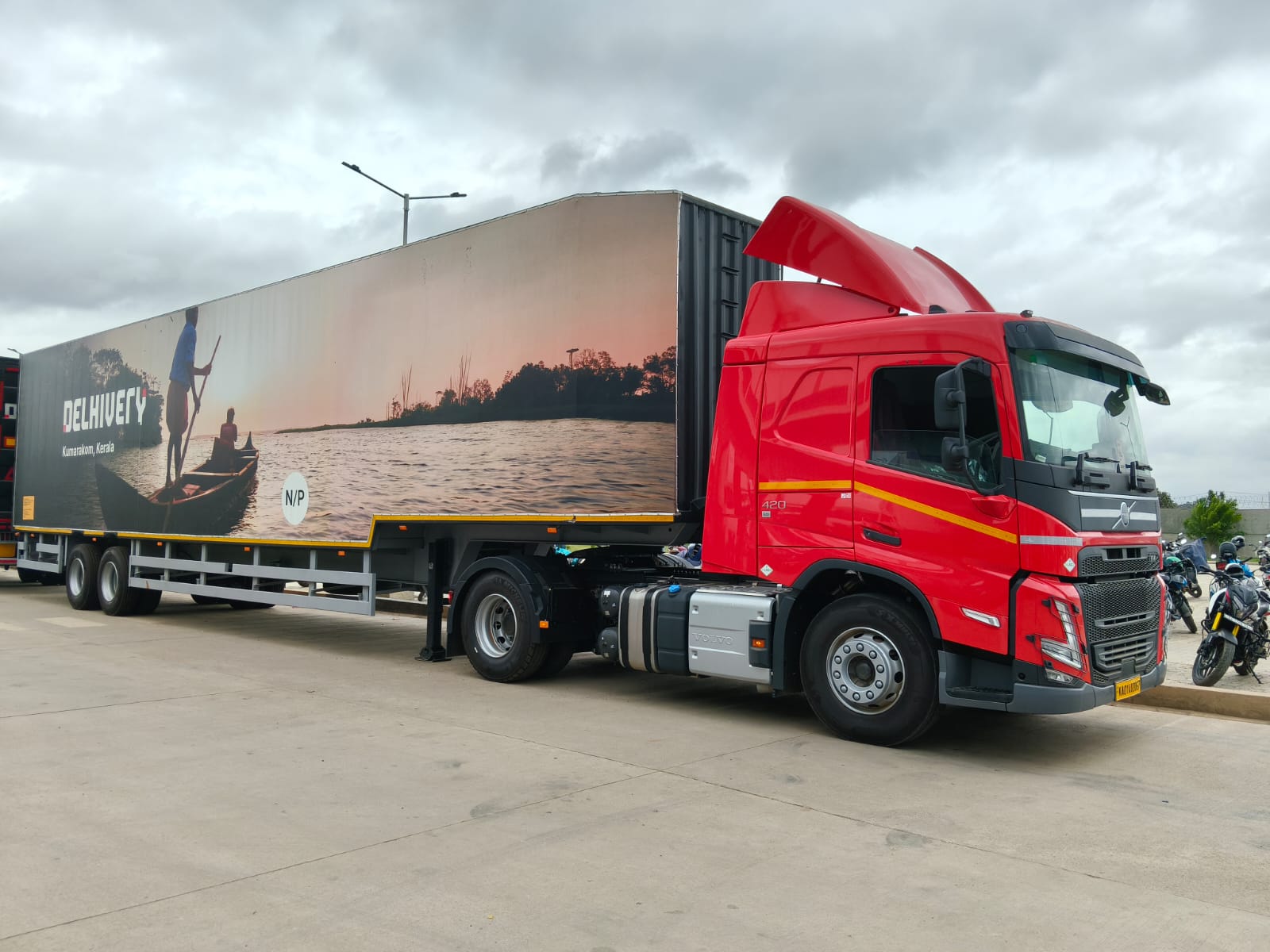
Supply Chain Insights
Power-Only Trucking: A Smarter Model for Long-Haul Freight
Smarter operating models can potentially make long-haul trucking with bigger trucks more efficient. Can Power-only trucking be a game-changer?

Taslima Khan

Engineering & Technology
Series: Finding India (Part I of II)
How a 15-member engineering team spent a decade using data generated by millions of deliveries and built a mapping platform for logistics.

Delhivery Engineering

Engineering & Technology
Series: Finding India (Part II of II)
How engineers taught machines to understand India’s complex addresses, transforming years of delivery data into a mapping intelligence platform built for logistics.
Delhivery Engineering
Ship with the largest integrated logistics company
Create your business account now
SERVICES
Delhivery One
Explore Now
Information Security Policy
Delhivery is committed to safeguarding the confidentiality, integrity and availability of all physical and electronic information assets of the organization. We ensure that the regulatory, operational and contractual requirements are fulfilled.
Disclaimer
Operational metrics listed are as of August 04, 2023