B2B Freight
As dealer and distributor orders grow, express parcel may no longer be the most efficient shipping option. Learn how to move from parcel delivery to PTL freight.

Delhivery Research
5 min read

A 400 gram apparel order to a customer in Ludhiana and twelve cartons of the same product to a distributor in Ludhiana are the same lane and completely different shipments. Express parcel is engineered around single boxes moving through automated sortation to individual consignees. Part-truckload freight is engineered around consignments: several pieces, one recipient, one invoice, and usually a loading dock at the far end. Most SMEs discover the difference the hard way, by breaking a trade despatch into fourteen parcels because that is the workflow they already know.
The Signals that a Despatch has Outgrown Parcel
None of these alone settles it. Two or three together usually do.
● Several pieces to one address in one despatch. Parcel prices per piece. Freight prices the consignment.
● Weight concentrating in one consignment. A single dealer order of six cartons at 18 kg each is 108 kg going to one door. That is a freight movement wearing parcel clothing.
● The recipient is a business, not a home. Warehouses, distributor godowns and modern trade backrooms receive against appointments, gate passes and a goods receipt note. A parcel network is not built to queue at a dock.
● Bulky but light goods. Furniture components, plastics, packaging material and fans fill space long before they fill a weight slab.
● Invoice value above Rs. 50,000. An e-way bill becomes mandatory. That is a freight document discipline, and it is far easier to run it once per consignment than across fourteen waybills.
Pricing Behaves Differently, So Compare it Differently
Express parcel bills on chargeable weight per piece, in slabs, against a zonal grid. Freight bills the consignment, and responds to both what it weighs and how much room it takes up in the vehicle. A dense consignment of hardware and a light consignment of cushions can weigh the same and price differently, because the trailer runs out of floor before it runs out of payload.
Two consequences follow. Do not compare rate cards line by line; compare total landed cost for one real despatch, the same cartons to the same destination, priced both ways. And the shape of your consignment becomes a commercial variable: cartons that stack squarely and strap onto a pallet cost less to move than odd-sized boxes with air in them.
Transit is the other trade-off. Consignments are consolidated at origin, line-hauled and deconsolidated at destination, so a lane an express parcel covers in a certain time will typically take longer on PTL. Run your actual origin and destination pin codes through the B2B serviceability and rate calculator on Delhivery One before quoting a delivery date to a trade buyer.
What Actually Changes on the Ground
Booking freight asks for a different set of inputs than booking a parcel, and the first consignment is where teams get caught.
1. Order and shipment structure. On Delhivery B2B cargo, multiple shipments to the same recipient sit under a single order, so twelve cartons to one distributor are one commercial movement, not twelve.
2. A 9-digit Lorry Receipt Number per shipment. The LRN is the reference the freight network runs on. You also carry your own Order ID alongside it so your records and the transporter's reconcile.
3. Pickup and delivery locations. Both are registered addresses with contact people and working hours.
4. The invoice travels with the goods. Description of goods, quantity, price. Where invoice value exceeds Rs. 50,000, the e-way bill goes with it.
5. Appointments at the delivery end. Organised receivers unload against booked slots. Scheduling and managing those appointments becomes part of dispatch, not an afterthought.
6. Packing for a stacked vehicle. Strapping, palletisation where the receiver expects it, and cartons rated to carry weight above them.
Funding is also separate. B2B cargo runs on its own wallet, so keep it topped up ahead of your despatch days rather than discovering a hold on the morning a vehicle is waiting.
Run Both Products, Routed by Shipment Profile
As distribution shifts from consumers towards trade you are not replacing parcel with freight. You will run both, often in the same week: parcel for website and marketplace orders, freight for dealer replenishment and warehouse inbound. Keep both on one account so serviceability, exceptions and invoicing sit in one place, and route each dispatch by its profile rather than by which screen your packer opens first.
Write the rule down and put it above the packing bench. Something as plain as "more than three pieces to one business address, or more than 30 kg, goes on freight" removes the daily judgement call.
What You Can Do
● List every despatch you sent in the last 30 days that went to a business address, with piece count, total weight and invoice value. That is your candidate freight volume.
● Take the three largest and price them both ways: as parcel at chargeable weight per piece, and through the B2B rate calculator as a single consignment.
● Register your pickup location and the two or three delivery locations you ship to most often, with contact names and receiving hours.
● Check whether any of those receivers require appointments, and find out their booking window and labelling requirements before your next despatch.
● Set the routing rule, fund the B2B wallet, and put your first live consignment through on a lane you already know well.
These are the popular topics you might want to check out
Latest blog posts
View all blogs
Supply Chain Insights
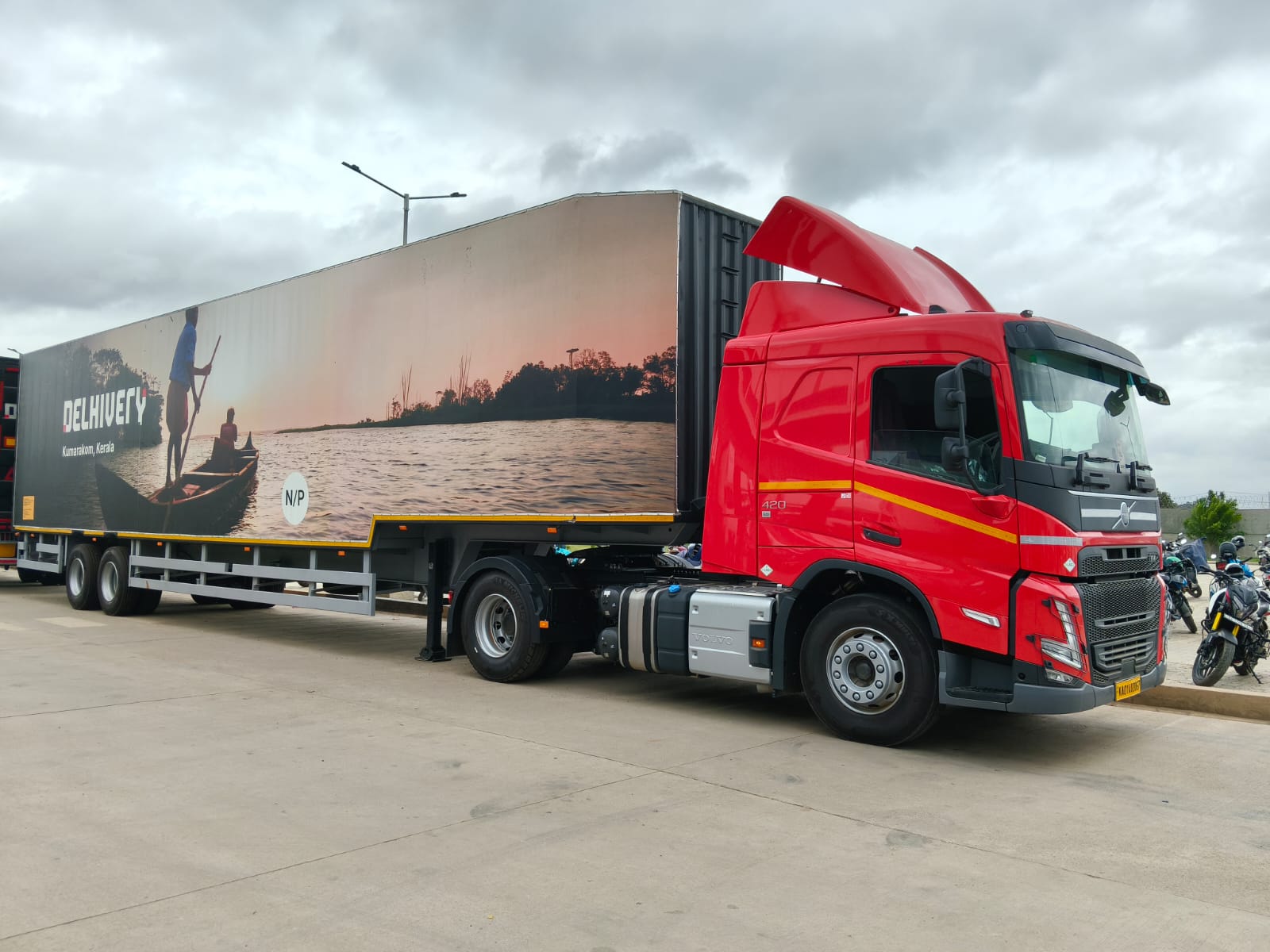
Power-Only Trucking: A Smarter Model for Long-Haul Freight
Smarter operating models can potentially make long-haul trucking with bigger trucks more efficient. Can Power-only trucking be a game-changer?

Taslima Khan
Engineering & Technology
Series: Finding India (Part I of II)
How a 15-member engineering team spent a decade using data generated by millions of deliveries and built a mapping platform for logistics.

Delhivery Engineering

Engineering & Technology
Series: Finding India (Part II of II)
How engineers taught machines to understand India’s complex addresses, transforming years of delivery data into a mapping intelligence platform built for logistics.
Delhivery Engineering
Ship with the largest integrated logistics company
Create your business account now
SERVICES
Delhivery One
Explore Now
Information Security Policy
Delhivery is committed to safeguarding the confidentiality, integrity and availability of all physical and electronic information assets of the organization. We ensure that the regulatory, operational and contractual requirements are fulfilled.
Disclaimer
Operational metrics listed are as of August 04, 2023