Post Purchase
A well-designed returns policy is an operations decision that affects freight costs, refund timelines, exchanges and disputes.

Delhivery Research
5 min read

A returns policy written in ten minutes becomes an operations problem for the next two years. It decides what your team verifies at the door, how much freight you commit to per return, when money leaves your account, and how many arguments you have about whether an item was used. It is a design decision, and it deserves an afternoon.
Set the Window by category. Define what "Returnable" Means
One blanket window across everything is a common mistake. Categories carry different risks and different customer expectations.
● Apparel and footwear. The longest window you can afford, typically seven to ten days from delivery, tags attached and unworn. Size is the dominant reason and an exchange usually saves the sale.
● Electronics and appliances. A shorter window, sealed or in original packaging, serial or IMEI matching what you dispatched. Defects move to warranty, not to returns.
● Beauty, personal care, innerwear. Non-returnable once the seal is broken, for hygiene reasons. Customers accept this - if you say it on the product page rather than in a policy document nobody opens.
Write the condition in the customer's words. "Tags on, unworn, in the original packaging" is understood. "Saleable condition" produces disputes.
How a Reverse Pickup Actually Runs
Most friction comes from sellers and customers holding different pictures of this process. Set it out plainly, in the policy and in the message you send when a return is approved.
1. The customer raises a request, choosing from a fixed list of reasons. Keep the list to six or eight options, and make them honest ones - "size too small", "different from photo", "damaged in transit", "changed mind".
2. You approve and decide the route - exchange, refund or store credit. Collect refund details at this step, not later. A prepaid order refunds to source; a COD order needs bank or UPI details from the customer, and asking for them three days after pickup is where refunds stall.
3. A reverse pickup is booked to the delivery address. Tell the customer the item must be packed and ready with the invoice, and that the pickup is attempted during working hours.
4. The doorstep check happens against what you configured. Be realistic: a tag present, a seal intact, a serial matched, the right number of items in the box. It cannot power on a device or judge whether a shirt was worn once and washed.
5. The parcel travels back on its own tracking, and you receive it like any inbound consignment.
6. You inspect within forty-eight hours and trigger the refund on inspection, not on pickup.
Say that upfront. "Refund within 3 working days of the item reaching us, and it usually reaches us in 4 to 6 days" is a promise you can keep. "Instant refund" is not.
Exchange or Refund: Run the Numbers Per Category
An exchange keeps the revenue but costs both freight legs plus a repack. Work it out for a real order rather than taking it on faith.
Take a Rs. 1,200 kurta at 55% gross margin, so Rs. 660 of contribution. A size exchange costs a reverse leg, a fresh forward leg, replacement packaging and about ten minutes of handling. If that comes to Rs. 180, the exchange retains roughly Rs. 480 of contribution against a refund that retains none and still carries the reverse freight. On that maths, the exchange is clearly worth offering first.
Run the same calculation on a Rs. 349 accessory and the answer may flip - two freight legs against a thin contribution can make store credit or a straight refund the better route. That is a legitimate outcome, and it is worth knowing before you write the policy.
Practical structure: offer exchange first in the return flow, store credit with a small bump second, refund third - but offer all three. A forced exchange on a customer who wants their money back costs you the next purchase.
One exception. When the reason is "not as described" or "damaged", skip the persuasion and refund cleanly. That customer is not negotiating; they are telling you something about your listing or your packing.
Read Returns as Product Feedback
The most valuable output of a returns process is the reason data. Pivoted by SKU, size, channel and city, it tells you where to fix the cause instead of processing the symptom.
The fixes are usually at the listing, not in operations. A style returning at three times your average almost always has a size chart with vanity measurements instead of actual garment measurements in centimeters, one photograph in artificial light, or no indication of fabric weight. Reverse pickups - DTO - on Delhivery One handle the movement, and the reports let you rank SKUs by return rate and reason. The work is picking the worst listing each month and rewriting it.
What You Can Do
1. Rewrite your return windows by category, in customer language, and put them on the product page.
2. Cut the reason list down to eight options and make them specific.
3. Move refund detail collection to the moment the return is approved.
4. Cost one exchange in full for your highest-return category, and decide the default route from that number.
5. Rank last quarter's returns by SKU, pick the worst listing, and fix the size chart or the photography this week.
These are the popular topics you might want to check out
Latest blog posts
View all blogs
Supply Chain Insights
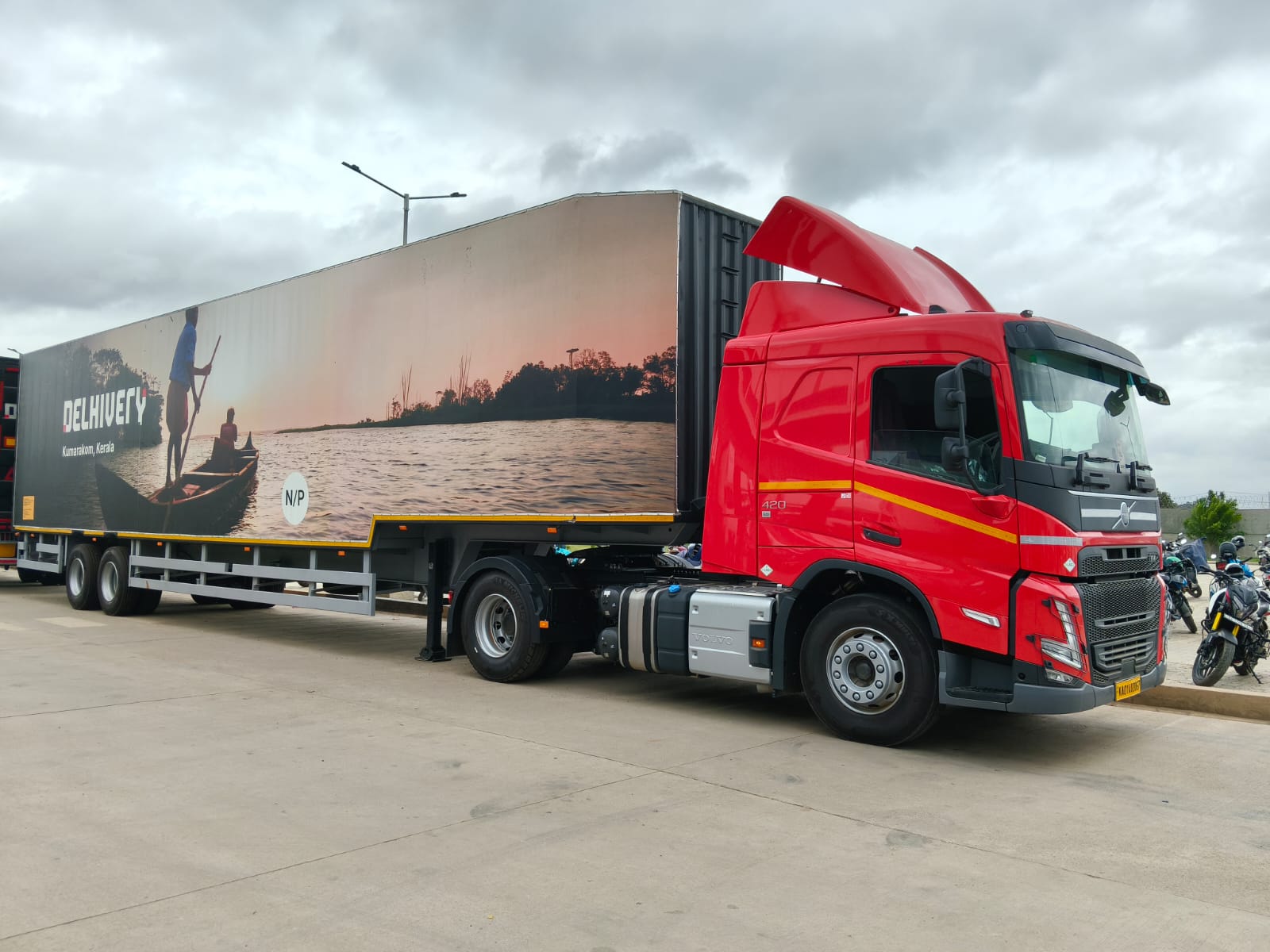
Power-Only Trucking: A Smarter Model for Long-Haul Freight
Smarter operating models can potentially make long-haul trucking with bigger trucks more efficient. Can Power-only trucking be a game-changer?

Taslima Khan

Engineering & Technology
Series: Finding India (Part I of II)
How a 15-member engineering team spent a decade using data generated by millions of deliveries and built a mapping platform for logistics.

Delhivery Engineering

Engineering & Technology
Series: Finding India (Part II of II)
How engineers taught machines to understand India’s complex addresses, transforming years of delivery data into a mapping intelligence platform built for logistics.
Delhivery Engineering
Ship with the largest integrated logistics company
Create your business account now
SERVICES
Delhivery One
Explore Now
Information Security Policy
Delhivery is committed to safeguarding the confidentiality, integrity and availability of all physical and electronic information assets of the organization. We ensure that the regulatory, operational and contractual requirements are fulfilled.
Disclaimer
Operational metrics listed are as of August 04, 2023